

Preloader image

Archive

ASU Dining Hall

ASU Dining Hall

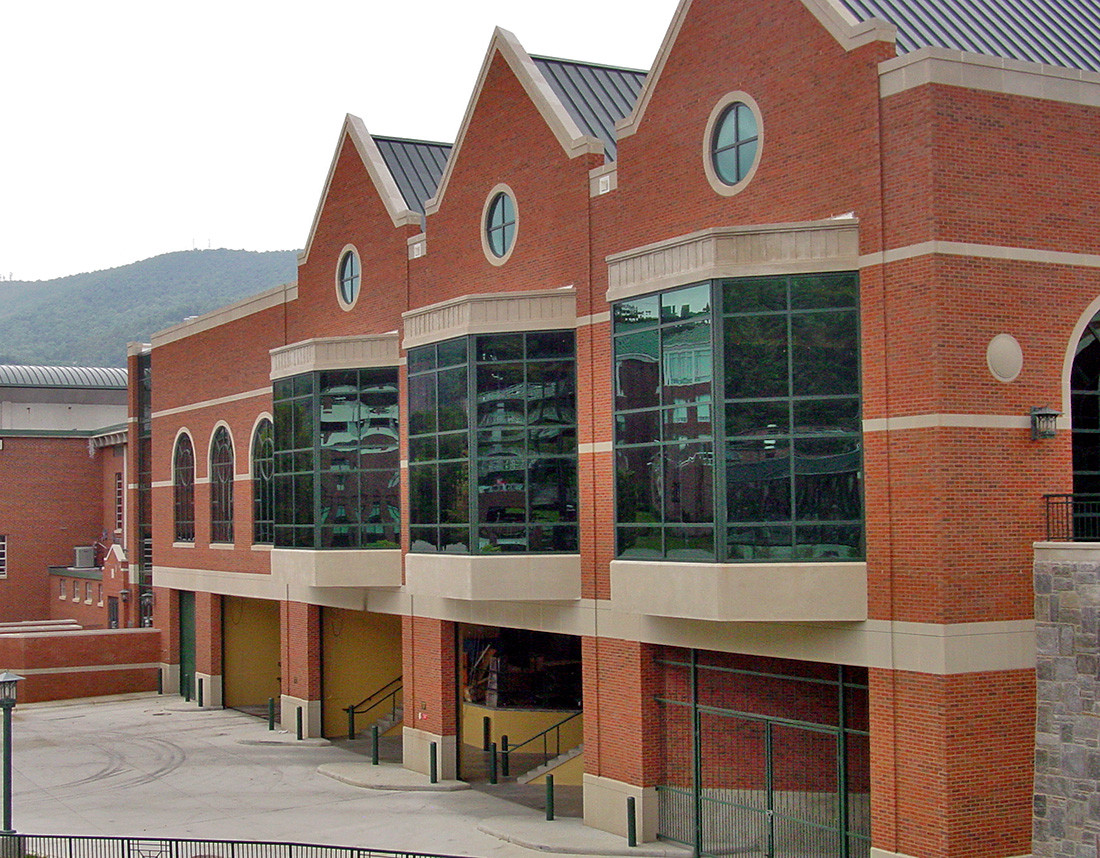
The new 95,000-square-foot, two-story campus dining hall was constructed in the center of campus on a tight site that posed many logistical challenges. The building features a large open dining area with both small and group dining meeting rooms with a state-of-the-art kitchen.  The project included high-end interior finishes, commercial food service kitchen equipment and extensive site development. The dining hall contains storage space and staffing offices for food services department, new steam vault spanning the width of the new structure, and new rotunda. Also included in the new dining hall are gathering spaces, private meeting rooms, and multiple areas for food service vendors in the open concept kitchen.  This project is located in the mountains of North Carolina and was designed for the mountainous terrain. Also included was extensive landscaping, hardscapes and asphalt paving.


The exterior of the building is cast in place concrete foundation and retaining walls, structural steel frame, cmu masonry infill, brick and native stone veneer, architectural aluminum storefront, curtain wall and stain glass elements. The interior finishes are cmu drywall construction, suspended acoustical ceilings, linear metal ceilings and exposed structure. The flooring consists of stone tile,ceramic tile, VCT and carpet. Also included in the interiors are architectural casework, food service equipment, elevators, demountable partitions, sound and data systems and loading dock equipment.

ASU Dining Hall

ASU Living & Learning Center

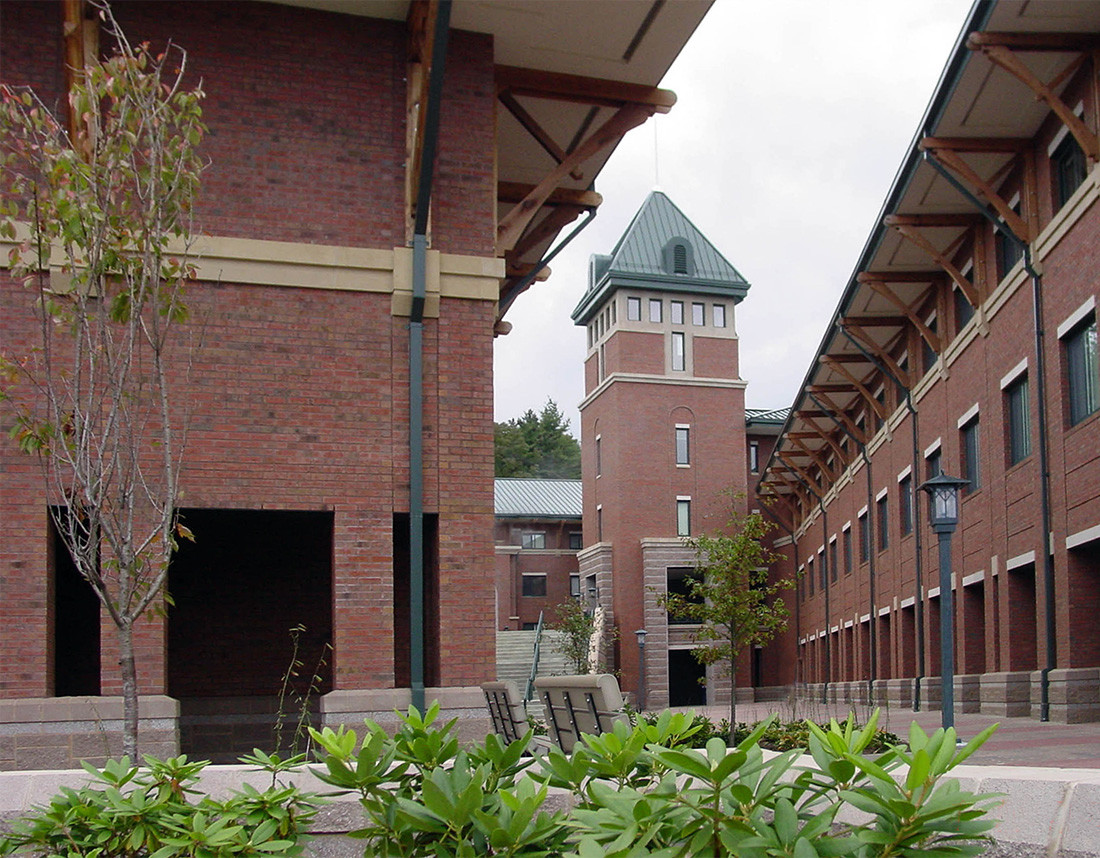
Due to the limited amount of allowable staging, proximity to existing buildings and required selective demolition, this project was completed in phases. The first phase included the construction of a new 125,000 sf four-story residence hall along with demolition, initial site work, and reconfiguration of utilities serving neighboring facilities. The second phase consisted of new 35,000 sf two-story classroom building along with landscaping, site accessories, final utility connections and connection between the classroom building and residence hall. Once completed, students could exit their dormitory room, grab a snack at the café style server or meet some friends and study at the shared gathering space between both buildings before heading to class. Construction materials consisted of brick masonry, cast stone and natural stone veneer, aluminum windows and storefronts, standing seam metal roofing, heavy wood timbers, electronic card readers and security measures all with an emphasis on student safety.